
In November 2025, Google unveiled one of its most ambitious technological ventures yet: Project Suncatcher, a research moonshot exploring how to scale machine learning computation in space using solar-powered satellites equipped with Tensor Processing Unit AI chips. This groundbreaking initiative represents a radical rethinking of where and how artificial intelligence systems could operate in the …
Google Project Suncatcher: Taking AI Data centers to orbit
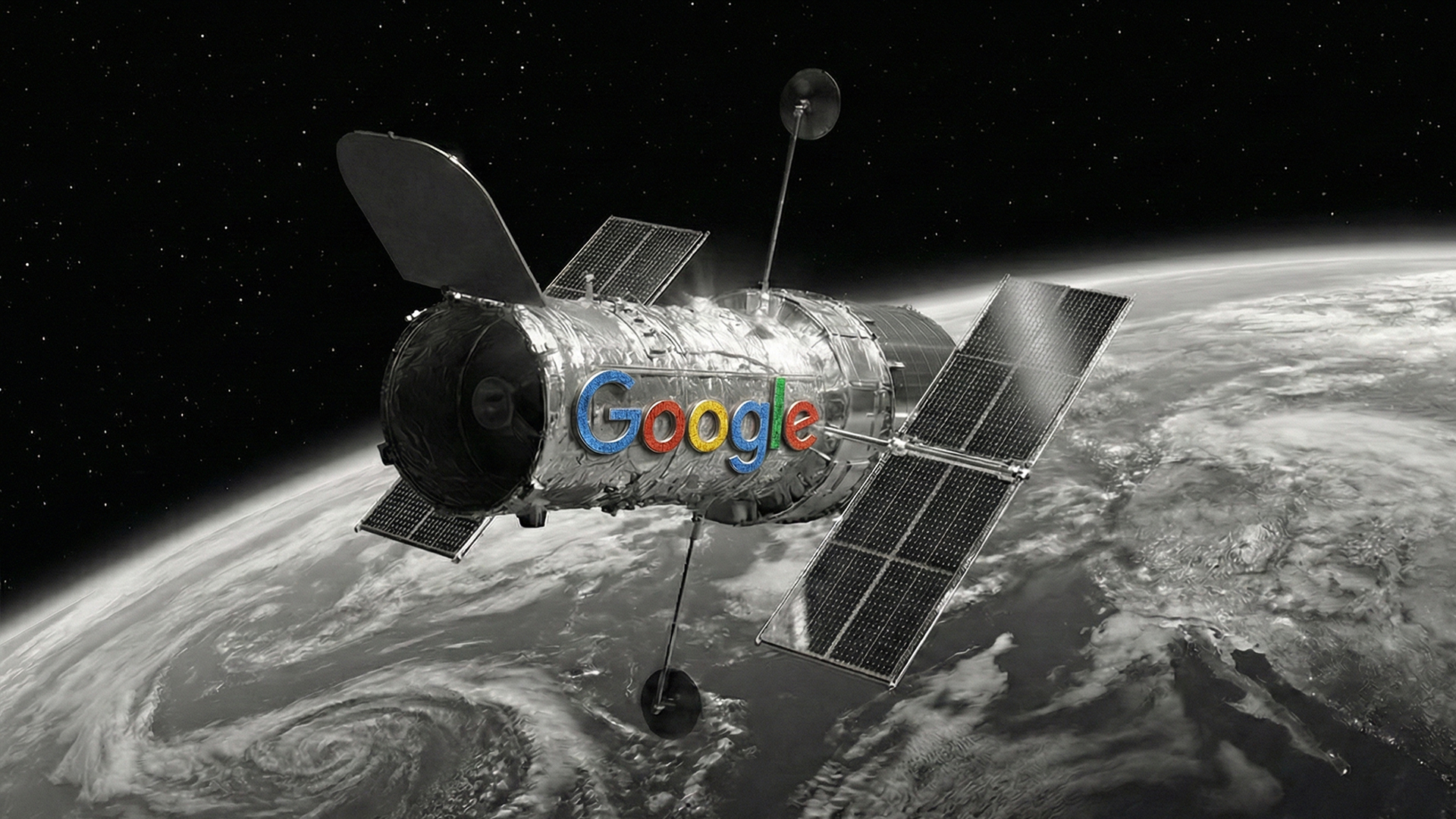
In November 2025, Google unveiled one of its most ambitious technological ventures yet: Project Suncatcher, a research moonshot exploring how to scale machine learning computation in space using solar-powered satellites equipped with Tensor Processing Unit AI chips. This groundbreaking initiative represents a radical rethinking of where and how artificial intelligence systems could operate in the future.
The Vision: AI Powered by the sun
The sun emits more power than 100 trillion times humanity’s total electricity production. In orbit, solar panels can be up to eight times more productive on Earth while producing power nearly continuously. This abundance of clean energy makes space an attractive location for power-hungry AI computations that currently strain terrestrial data centers’
Project Suncatcher envisioned networks of satellites operating in sun-synchronous low Earth orbit at approximately 650 kilometers altitude. These satellites would be exposed to near constant sunlight, maximizing solar energy collection while reducing the need for heavy onboard batteries. The constellation would work as a distributed AI system, with individual satellites functioning as nodes in a massive orbital supercomputer.
Technical Innovation and Challenges
Google’s approach involves deploying a compact satellite formation, potentially containing 81 satellites within a one-kilometer radius cluster. These satellites must maintain extremely tight spacing, less than 200 meters apart, to enable high-bandwidth optical communication between units. Early laboratory experiments demonstrated optical data transmission speed reaching 1.6 terabits per second using a single transceiver pair.
The team has already conducted crucial radiation testing on Google’s trillium TPU hardware. Results showed the processors can withstand radiation levels expected over a five-year mission in low Earth orbit, though the High Bandwidth Memory subsystem proved most sensitive to radiation effects. These findings provide confidence that the hardware can survive harsh space environments.
Google has partnered with Planet Labs to launch two prototype satellites by early 2027, marking the first practical step toward validating this revolutionary concept. These prototype missions will test hardware performance, orbital dynamics, and inter-satellite communication systems in real space conditions.
The Economic Equation:
For Project Sancathcher to become economically viable, launch costs must continue their dramatic decline. Currently ranging from $1,500 to $2,900 per kilogram, the Cost would need to drop below $200 per kilogram by the mid-2030s to make the orbital compute cluster cost competitive with terrestrial data centers in energy terms. Thanks to companies like SpaceX revolutionizing launch technology, these cost reductions appear increasingly achievable.
Critical Concerns: Space Debris and Orbital Congestion
Despite its technological promise, Project Suncatcher faces significant scrutiny regarding space sustainability. The sun-synchronous orbit targeted by Google is already the most congested region in low Earth orbit, where objects face the highest collision risks. The proposed tight satellite formations amplify these dangers considerably.
When satellites are spaced less than 200 meters apart, a single collision could trigger a cascade effect, destroying multiple satellites and scattering millions of debris fragments. This risk has led experts to call for sophisticated collision avoidance systems and “leave no trace” standards for orbital operations.
The current design lacks autonomous debris avoidance capabilities, a feature that would require satellites to respond as a coordinated entity, essentially flying in synchronized formation like a flock of birds reacting to threats in unison. In just the first half of 2025, SpaceX’s Starlink constellation performed 144,404 collision avoidance maneuvers, illustrating the scale of the orbital traffic management challenge.
Growing Competition:
Growing isn’t alone in this space race. The project Suncatcher announcement has intensified competition among tech giants and nations pursuing similar orbital computing ambitions. Competitors include former Google CEO Eric Schmidt through Relative Space, Jeff Bezos, Elon Musk, IBM – owned Red Hat, China, and startups like Starcloud, which recently launched a satellite featuring an Nvidia H100 processor.
This platform of space-based data centers raises concerns about light pollution affecting astronomical research, orbital crowding, and the environmental impact of launching and maintaining thousands of satellites.
A New Frontier For Computing
Project Suncatcher continues Google’s tradition of pursuing seemingly impossible technological challenges, following earlier moonshots in quantum computing and autonomous vehicles. The project represents Google’s exploration of where AI can go next to unlock its fullest potential.