
For most of us, antibiotics have always just… existed. If someone had a serious infection, doctors prescribed a course of tablets and things usually improved. It became such a normal part of life that we slowly forgot how powerful these medicines actually are. They turned once-deadly infections into treatable ones. They made surgery safer. They …
Rise of Antibiotic Resistance in 2026: A Silent Global Health Emergency
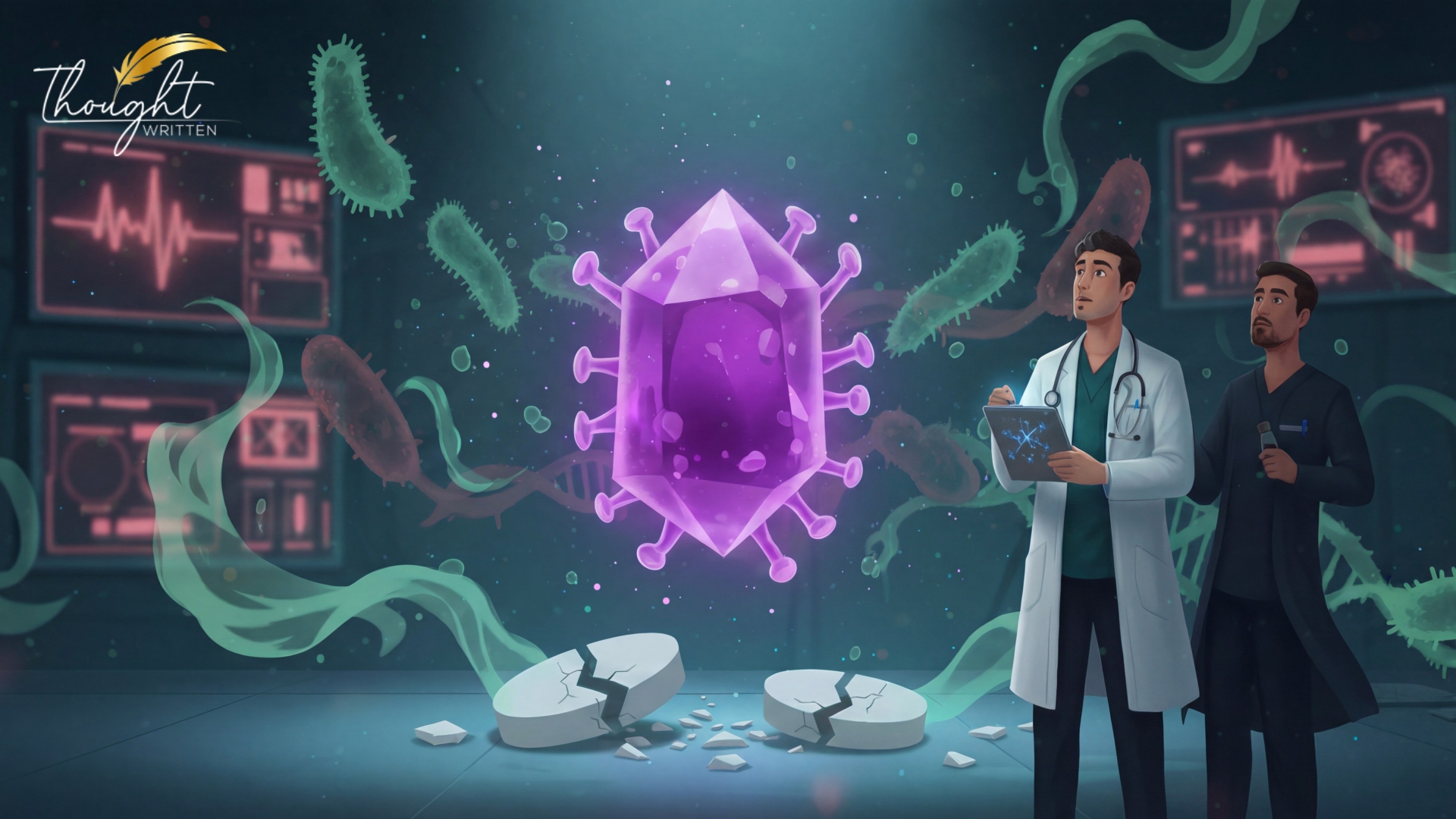
For most of us, antibiotics have always just… existed. If someone had a serious infection, doctors prescribed a course of tablets and things usually improved. It became such a normal part of life that we slowly forgot how powerful these medicines actually are. They turned once-deadly infections into treatable ones. They made surgery safer. They made recovery possible.
However lately, something has started changing. Across the world in 2025-26, doctors are noticing more number of infections that no longer respond to the same antibiotics that worked before. It is not dramatic like a new virus outbreak. There are no sudden big headlines most of the time. Instead, it is slow. Quiet. And steady. Which almost makes it more worrying.
This slow change has a name: antibiotic resistance. Although the term sounds technical, the idea of it is quite simple.
What’s really happening here?
See, antibiotics are designed to kill bacteria but bacterias are tiny living organisms that also adapt and evolve. When antibiotics are used too often, or not used carefully, some bacteria survive and change themselves so that the same medicine won’t work on them again. So a person may fall sick, take antibiotics, get better; but somewhere, a few bacteria learn how to resist the drug. Later, these resistant bacteria spread without anyone noticing. And one day, the medicines that once worked before suddenly don’t. That is antibiotic resistance.
How did we reach this point?
There isn’t a single reason as it’s more like many small actions that stack up over years. Well, sometimes antibiotics are prescribed even when they’re not really needed or people stop their treatment halfway because they start to feel better. In some places, antibiotics are given to animals to prevent illness or help them grow faster. Meanwhile in other places, people buy antibiotics without proper medical advice. So if we add all this up across an entire planet, bacterias begin learning faster than we expected and that’s how we reached where we are in 2026.
Why does this matter so much?
Because antibiotics quietly protect many parts of modern life. We rely on them more than we realise. They help during surgeries. They protect cancer patients with weak immunity. They treat infections that come from wounds, burns, childbirth, or chronic diseases and without them, something as small as a skin infection could become dangerous again. So this is not only about hospitals but about everyday safety and that’s why doctors and public health experts keep repeating the warning, even if it sounds repetitive sometimes.
What does the world look like right now?
In many countries today, doctors are already facing bacterias that do not respond to common antibiotics and surprisingly some of these bacteria resist multiple drugs, which makes treatment slow, complicated, and expensive. Hospitals are now spending extra effort making sure infections don’t spread, and so hand-washing rules, sterilisation, infection control… all these routines matter more than ever. Yet, outside hospitals, a lot of people still don’t realise how serious the issue has become. That gap between awareness and reality is one of the biggest risks.
It’s not just a human problem. Animals and the environment are part of this story too.
When antibiotics are used in livestock, bacteria can develop resistance in those settings as well. These bacteria can then move through water, soil, food, or contact. It becomes part of a bigger cycle. That’s why many experts today use the phrase “One Health.” It means human health, animal health, and environmental health are all deeply connected. You cannot fix one while ignoring the others.
Why aren’t there many new antibiotics?
You might wonder why scientists don’t just make stronger ones. They try but developing new antibiotics is slow, complex, and expensive. And unlike medicines people take lifelong, antibiotics are used only for short periods. So many companies don’t see enough financial return to heavily invest in research. So resistance grows faster than innovation. And that is what makes this situation feel so fragile.
Technology helps… but it isn’t enough alone
There is some hope here. AI tools and advanced diagnostics are being used to track resistance, detect infections faster, and search for new treatment ideas. Data systems help doctors see patterns and decide medicines more carefully. This is good progress but at the end of the day, how we use antibiotics still matters the most because technology can help but behaviour decides the future.
Small everyday choices matter
Protecting antibiotics doesn’t require fancy science from ordinary people. Just simple awareness.
Things like:
• only taking antibiotics when a doctor says you need them
• finishing the full course
• not saving leftover tablets for later
• not sharing medicines with others
• not asking for antibiotics for viral infections like colds
And even basic hygiene habits reduce infections, which means fewer antibiotics are needed in the first place. One person doing this may not feel like much. But millions doing it together changes everything.
Some parts of the world have it harder
In many low and middle-income regions, antibiotic resistance hits differently. Access to healthcare may be limited. Fake or poor-quality medicines sometimes exist. Clean water and sanitation are not always guaranteed. So infections spread more easily. Which means more antibiotics. Which then means more resistance. So solving this problem also means strengthening health systems globally, not just changing individual behaviour, it is a shared responsibility.
There is also a human side we shouldn’t forget
Behind scientific terms like “resistance levels” or “superbugs,” there are real people. Patients waiting in hospitals. Families worrying about loved ones. Doctors feeling pressure when usual medicines stop working. It is easy to discuss it as data. Harder when it becomes someone’s story. And that is why this topic deserves attention, even if it doesn’t always feel urgent on the surface.
So… is there hope?
Yes. And it is important to remember that.
Awareness today is better than before as policies are improving, doctors are more careful in prescribing antibiotics and researchers are exploring new strategies. Slowly even people are beginning to understand that antibiotics need to be protected. Think of antibiotics as something we borrowed from nature. A gift we must use wisely and if we respect them, they will continue to protect us. If we don’t, the future becomes uncertain.
Final reflection
The rise of antibiotic resistance in 2026 is not loud. It does not always show up as breaking news. But it is always there in the background, shaping medical decisions and health systems quietly. So the next time someone receives antibiotics, maybe they will pause for a moment. Maybe they will see them not just as ordinary pills, but as powerful tools that deserve care and responsibility. Because the choices we make today don’t only affect us. They shape whether these life-saving medicines will still work for the people who come after us. And that thought alone makes antibiotic resistance something we can’t afford to ignore.