There was a time when strength only meant something that was visible such as toned arms, disciplined routines, early morning runs, and gym selfies. Physical fitness became a symbol of control over the body, habits, and life itself. We counted calories, tracked steps, and measured progress in kilograms and inches very well, but in all …
Emotional fitness is the new physical fitness
There was a time when strength only meant something that was visible such as toned arms, disciplined routines, early morning runs, and gym selfies. Physical fitness became a symbol of control over the body, habits, and life itself. We counted calories, tracked steps, and measured progress in kilograms and inches very well, but in all this, we forgot that being healthy means being at a peaceful state of comfort at body, mind and soul.
Slowly, something else also began to matter. And it was obviously not how much you could lift, but how much you could handle.
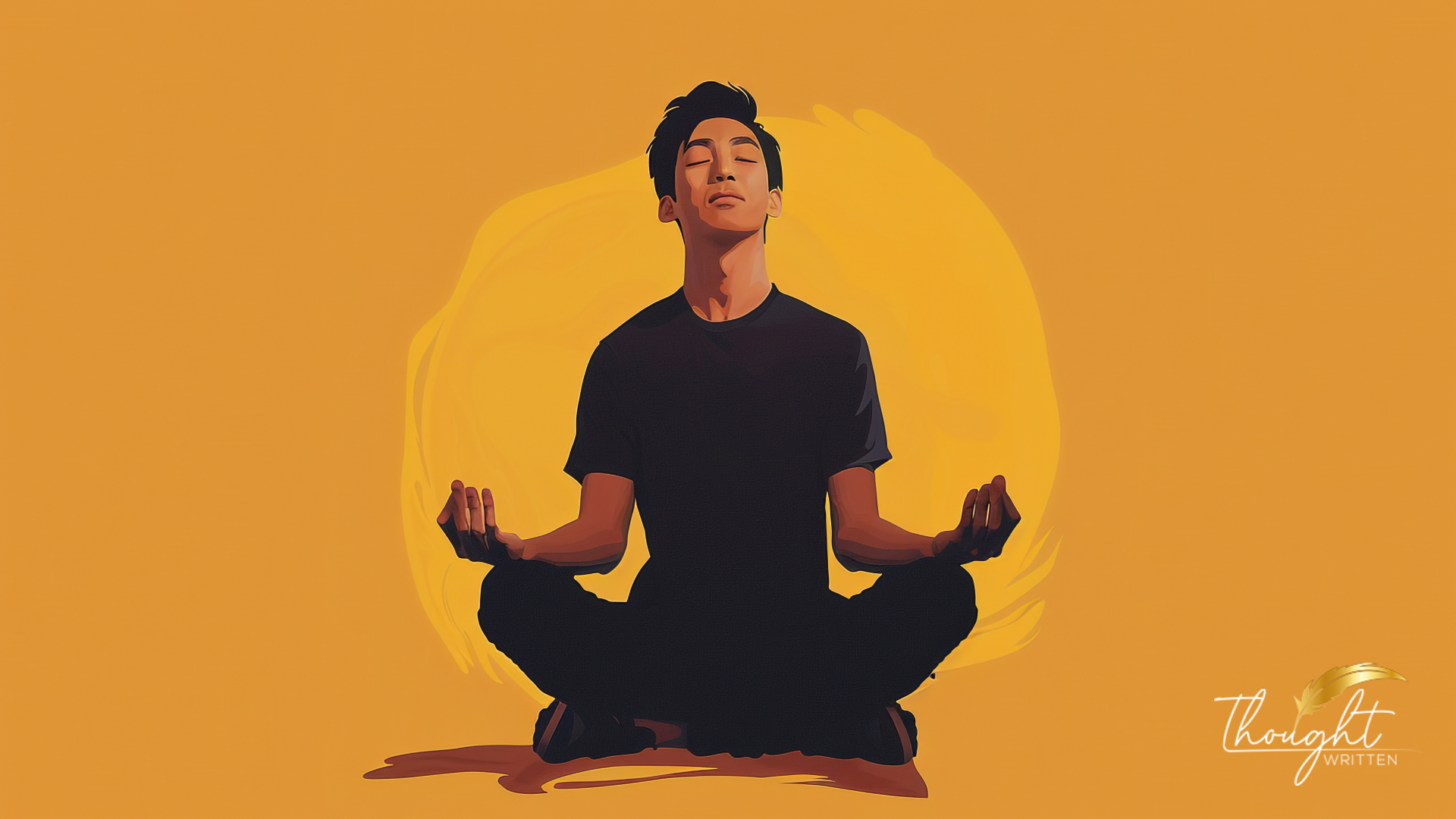
This was the beginning of the era of emotional fitness.
In this world which moves faster than our nervous systems were designed for, the real endurance test is not physical, it’s emotional. Deadlines pile up, notifications never stop, expectations expand, relationships evolve, careers also shift and beneath the put-on online smiles, anxiety runs quietly in each of us. We have trained our bodies to keep on going but now we are required to train our emotions. Emotional fitness is not about suppressing our feelings or pretending that everything is fine, but it is the ability to process discomfort without collapsing into a mess. It is the ability to deal without denial and it is about being self-aware without being self-judgmental. Just as physical fitness strengthens muscles through all the trainings, emotional fitness strengthens the mind through experience.
Think about it. When you first began to exercise, your body resisted, your muscles ached, breath shortened and you’d even question whether it was worth it. But over time, that discomfort became growth. The same principle applies emotionally. Conflict, failure, rejection, disappointment all these are the emotional weights we lift. If we avoid them, we remain fragile but if we engage with them consciously, we become steady. The modern crisis isn’t physical weakness but it is emotional exhaustion.
Burnout like before is no longer rare; but it is rather normalized. Overthinking is constant, and comparison is automatic. We scroll through reels daily and then measure our behind-the-scenes with someone else’s best moments which leads to chronic dissatisfaction.
Emotional fitness is all about staying centered when everything feels uncertain. It is the ability to say that the anxiety you face is okay without letting it make you weak, to experience sadness without believing that it will last forever, and to get criticised without crumbling, it is even to succeed without losing your humility. And most importantly it is to rest without guilt. Unlike physical fitness, emotional strength isn’t visible. There are no before-and-after photos or transformation reels. There’s no applause for choosing to pause instead of react and yet the impact is profound. A physically fit person may run a marathon but an emotionally fit person can endure a difficult conversation without defensiveness. A physically fit person may control their diet but an emotionally fit person can control their impulses during anger. While one is set on building appearance, the other builds stability.
This shift matters because the world has changed. Success today requires composure and grit more than competence. Leaders are evaluated on strategy as well as emotional intelligence. Relationships also demand communication, empathy, and patience more than ever as everyone carries their own climate. Even personal growth now relies more on mental clarity than productivity.
So how does one train emotional fitness?
It begins with awareness. Most of us were never taught to name the emotions that we feel. We were taught to behave, perform, and achieve but not to understand our inner climate. Emotional fitness requires vocabulary. The difference between “I’m stressed” and “I’m overwhelmed because I fear disappointing someone” is important to know. This kind of precision reduces chaos. Next comes regulation. This doesn’t mean suppressing the emotions but it means responding to it rather than reacting. Taking a breath before replying to an upsetting message, walking out before an argument escalates and reflecting over impulsivity are all ways that will help one regulate their emotions. Just like muscles strengthen through repetition, emotional regulation strengthens through practice.
Then there is resilience. Resilience is not the absence of pain; it is recovery speed. Emotionally fit individuals would still experience heartbreak, setbacks, and doubt but the difference is that they don’t stay stuck as long but they process, learn, and recalibrate. They bend without breaking. And the most underrated component of emotional fitness is boundaries. Learning to say no without over-explaining and recognizing that not every opportunity needs to be grabbed is all a part of an emotional journey one makes.
Physical fitness requires discipline in what you eat, how you train and all while emotional fitness requires discipline in what you tolerate and adapt to. What makes this concept so urgent today is the illusion of constant performance. Social media encourages curated happiness, professional culture rewards overwork, comparison is constant and without emotional grounding, one’s identity would become fragile as it is tied to validation, outcomes, and external approval. Emotional fitness is all about internal authority, this makes the idea to lean towards authenticity and progress.
What’s interesting is the two forms of fitness are not opposites but they complement each other. Exercising reduces stress, movement clears the head, and sleep restores emotional balance; but focusing only on physical health while neglecting emotional creates imbalance. True well-being is about integrating both.
The reason emotional fitness is becoming the new benchmark is because life is unpredictable. The careers pivot, economies fluctuate, relationships evolve, technology advances and uncertainty is new surity. The only advantage is adaptability and adaptability is an emotional skill, so when we stop seeing emotions as weakness and see them as signals that improve everything, things change in our favour. Then fear becomes information, anger becomes a boundary alert and sadness becomes a call for reflection, even joy becomes alignment. Emotionally fit individuals are not those who feel less but they are those who understand more because they recognize triggers, own up to their mistakes, communicate honestly and seek help when needed. In many ways, emotional fitness is an invisible strength. It shapes decisions, reactions, and relationships and that is why it matters more now than ever.
In a hyper-connected world, the ability to disconnect internally from chaos is power. In a culture obsessed with hustle, the courage to pause is legendary and in an environment of constant comparison, self-acceptance is huge. Physical fitness changed how we treat our bodies and emotional fitness is changing how we treat our minds. Maybe the future of wellness isn’t about six-pack abs or marathon medals, maybe it’s about being able to say: “I felt it. I faced it. And I grew from it.” That is the strength you live with. And in this new era, that might be the strongest form of fitness of all.