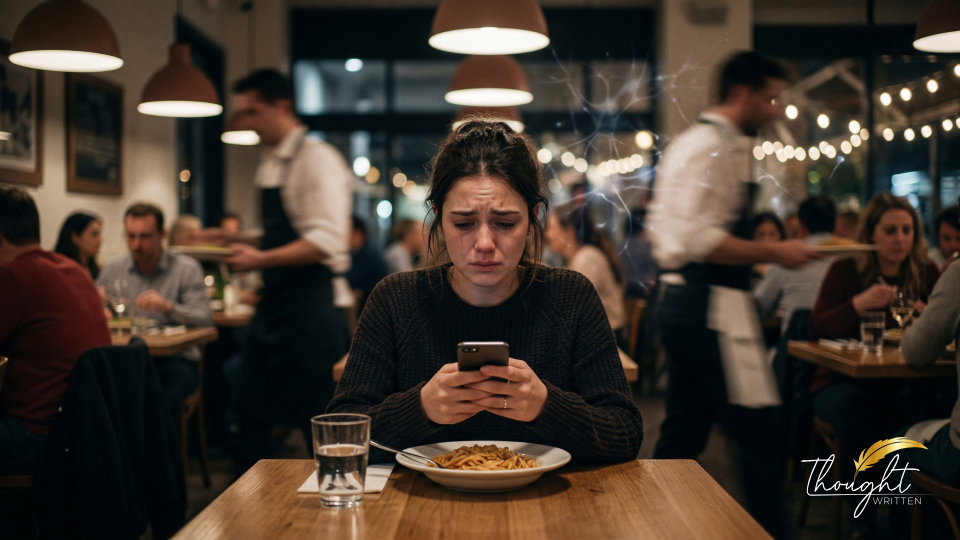
There is a strange kind of fear that has become normal in recent years. Not the fear of something happening right now, but the fear that something might be happening inside your body without you knowing. A headache becomes a warning sign. A random chest flutter becomes a catastrophe. A harmless cough feels like the …
Health Anxiety Is the New Pandemic Nobody Talks About
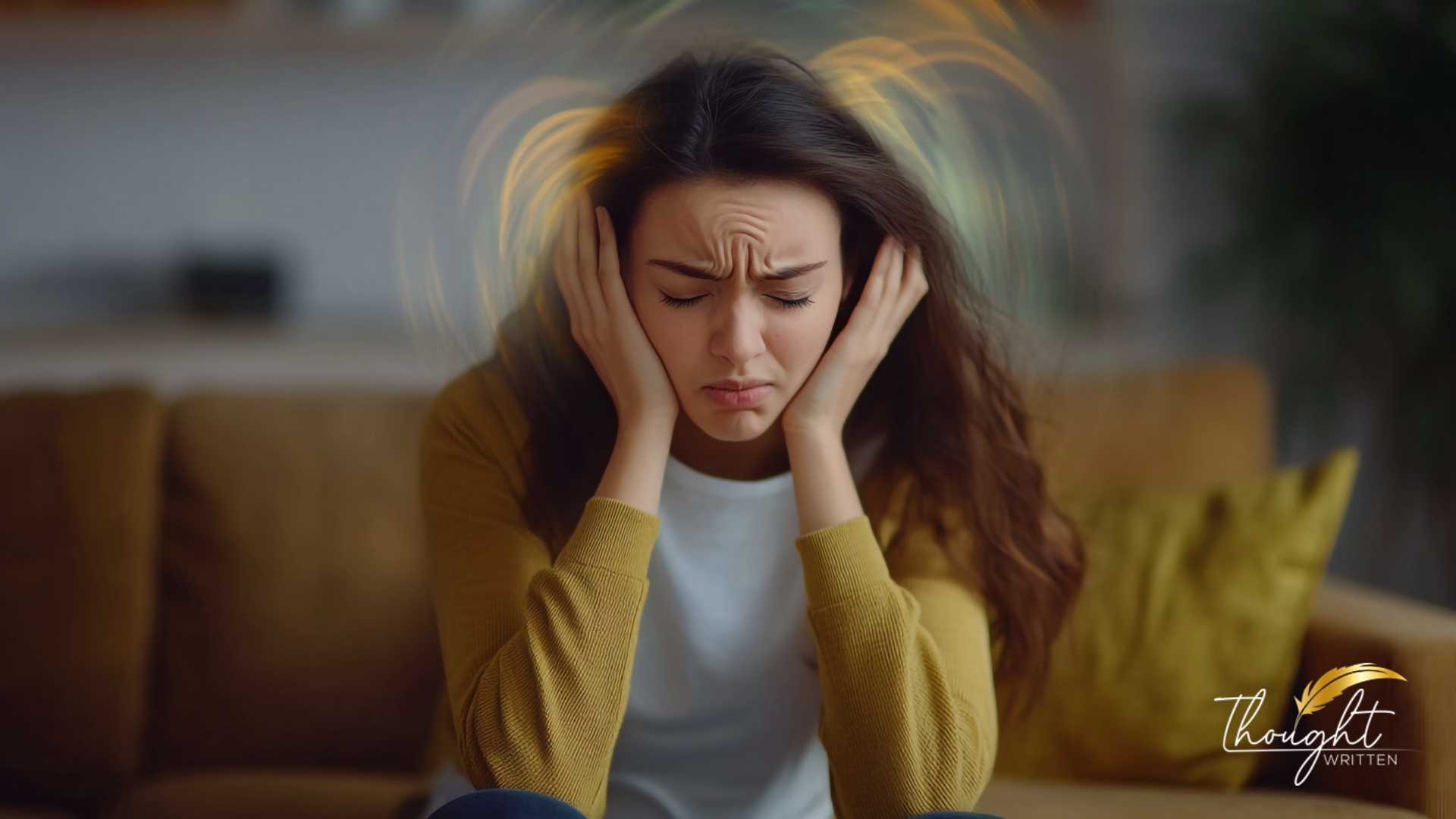
There is a strange kind of fear that has become normal in recent years. Not the fear of something happening right now, but the fear that something might be happening inside your body without you knowing. A headache becomes a warning sign. A random chest flutter becomes a catastrophe. A harmless cough feels like the beginning of something serious. And suddenly, your mind is no longer living in the present. It is living in a future where you are already unwell.
Health anxiety is not new. But it has grown louder, more widespread, and more quietly exhausting. In many ways, it feels like a modern pandemic that nobody talks about openly, even though so many people are carrying it. Not in hospitals, but in their thoughts.
When awareness turns into obsession
We are living in an era of constant health awareness. We track our steps, our sleep, our calories, and our heart rate. We read articles about symptoms. We see wellness influencers explaining what is “toxic” and what is “healing.” We scroll past stories of sudden illnesses. We are surrounded by information. Awareness is supposed to help us live better. But for many people, awareness has slowly turned into obsession. Every sensation becomes a signal. Every change in the body becomes something to investigate. And the mind starts scanning constantly, as if it is on guard duty. The body becomes a question mark.
The internet has changed the way we experience symptoms
There was a time when people felt unwell, rested, maybe visited a doctor if needed, and moved on. Now, most people visit Google first. A sore throat becomes ten possible diagnoses. A stomach ache becomes a list of worst-case scenarios. A normal muscle twitch becomes something frightening. The internet does not offer reassurance, it offers endless possibilities. And anxious minds do not pick the calmest one, instead they go for the scariest. Health anxiety thrives in uncertainty, and the internet is an endless ocean of uncertainty.
The post-pandemic shadow we rarely admit
The COVID years changed something in all of us. We learned that health can shift suddenly. That the world can stop. That sickness is not always predictable and that headlines can become personal. Even people who never struggled with anxiety before began paying attention to their bodies in a new way. And for some, that attention never switched off. The pandemic may have ended socially, but psychologically, many people are still living in its shadow.
Hyper-aware. Hyper-alert. Still bracing.
Health anxiety does not always look like panic. Many people imagine anxiety as visible panic attacks or obvious fear. But here health anxieties are often quieter. It looks like checking your body repeatedly, reading symptom pages late at night, seeking reassurance from others, again and again, feeling temporary relief, and then returning to fear. It can even go to the extent of avoiding activities because you are afraid something will happen.
It is exhausting because it becomes a loop. The body sends a sensation, the mind interprets it as danger, the fear increases the sensation and the cycle tightens. This makes the person feel trapped inside their own awareness.
The cruel part is that anxiety can create real symptoms
One of the most misunderstood things about health anxiety is this. The symptoms feel real because they are real. Stress can cause chest tightness. Anxiety can cause dizziness. Panic can cause numbness. Hyperfocus can make normal sensations feel intense. So the anxious person is not imagining things. They are experiencing real physical responses to fear. That is why reassurance is never enough. The body is involved and the mind is too. Thus, the whole system becomes sensitive.
Social media made illness feel closer
We are constantly exposed to stories of illness now. Someone posts about a diagnosis. Someone shares a sudden health scare. Someone goes viral for noticing an early symptom. These stories matter as they create awareness and save lives sometimes. But they also create a strange emotional effect. They make illness feel closer than it statistically is. The brain begins to believe that danger is everywhere, because it sees it everywhere. Health anxiety grows in environments where fear travels faster than context.
When self-care becomes self-surveillance
Wellness culture often sells control.If you eat perfectly, you will be safe. If you detox, you will be clean. If you follow the right routine, you will avoid illness. But the body is not a machine you can fully control. Health is influenced by genetics, environment, randomness, time, stress, and countless factors beyond routine. When self-care becomes self-surveillance, it stops being care. It becomes fear wearing the costume of responsibility.
Why nobody talks about it
Health anxiety is hard to admit because it feels embarrassing. People worry they will be told they are overreacting, or that they are ungrateful, or that they are wasting medical time. And in worst cases even that they are being dramatic. So they keep it private. They smile normally while quietly spiralling inside. Health anxiety is one of the loneliest forms of anxiety because it convinces you that you are dealing with something physical, while everyone else thinks it is “just in your head.” But it is not just in your head. It is in your nervous system, your thoughts, your body and your world.
What helps, gently
Health anxiety does not disappear through force. It softens through understanding. Some things that help are learning how anxiety affects the body, limiting symptom searching online, building trust with a healthcare professional and taking therapy, especially CBT for health anxiety. We may even use grounding techniques during spirals, reduce seeking constant reassurances and return attention to life outside the body
The goal is not to stop caring about health. The goal is to stop living inside fear.
A softer truth
Your body will always have sensations. Some will be uncomfortable, a few will be unfamiliar, and that is part of being human. Not every sensation is a warning. Sometimes a headache is just a headache, tiredness is just tiredness and the body is simply being a body. Health anxiety tells you that you must solve every sensation immediately. But healing begins when you learn that uncertainty is survivable.
If you have been carrying health anxiety quietly, you are not alone, and you are not broken. Support exists, and this fear can soften with time, understanding, and the right care. Sometimes the first step is simply naming what you are experiencing, and letting yourself be helped, so we urge you to please take that step towards your better well-being.