
There was a time when “plant based food” mostly meant salads, tofu, or the occasional vegetable burger that did not taste anything like a real burger. People often saw it as something meant only for vegans or health enthusiasts. But slowly, things began to change. Today in 2026, plant based food is no longer a …
Plant-Based Food Innovation in 2026: How Tech Is Changing What and How We Eat
There was a time when “plant based food” mostly meant salads, tofu, or the occasional vegetable burger that did not taste anything like a real burger. People often saw it as something meant only for vegans or health enthusiasts. But slowly, things began to change. Today in 2026, plant based food is no longer a niche idea. It has become part of everyday conversation, supermarket shelves, restaurant menus, and even fast-food chains.
And behind most of this change sits technology. Food labs, data driven agriculture, fermentation science, AI assisted recipe development, climate focussed research, sustainability mapping, and smart kitchens. All of these are quietly reshaping what plant based food looks like and how it reaches our plates.
So the real question becomes: “How exactly is tech changing the way we eat plant based food today?” Let’s walk through it slowly.
Why plant based food keeps growing as a trend
The rise is not random. Several forces are pushing this shift forward. People are more aware of health. More conscious of climate. Curious about ethical choices. Some simply want variety. Others are lactose intolerant or looking to reduce meat without cutting it completely. And tech companies noticed that plant based food is not just idealistic. It is a real market with real innovation potential. So instead of thinking of plant based food as a “replacement,” the industry started asking a different question: “How do we make plant based food enjoyable, familiar, and convenient?” And tech stepped in.
Food science has changed the taste game
One of the biggest complaints used to be taste. Early plant based meats and dairy alternatives often tasted strange or artificial. The texture was rubbery. Mouthfeel felt off. People wanted to be healthy but not at the cost of flavor.
Food technology changed that.Now, techniques like precision fermentation, protein isolation, texturisation, and molecular flavour mapping are used to make plant based foods taste closer to traditional options. Scientists study what makes cheese stretchy or meat juicy, then recreate similar experiences from plants. Pea protein. Chickpea flour. Mushrooms. Seaweed. Jackfruit. Soy. Almonds. Oats. Each ingredient is studied deeply to understand how it behaves.
So the modern plant based burger in 2026 feels very different from the early attempts. It sizzles better. Holds texture. Even smells closer to what people expect. And plant based cheeses melt more convincingly than before. It is not perfect yet. But the difference is huge.
AI is quietly helping in the kitchen
Artificial intelligence plays a quiet but important role. Food companies use AI to analyse flavour combinations, consumer feedback, nutritional requirements, allergen risk, and sustainability scoring. AI can predict which recipes are more likely to work, what textures people enjoy, or how to balance protein and fats better.
Some startups even use AI to simulate how food behaves during cooking. This speeds up experimentation without wasting tons of raw material. And if you’ve noticed more creative plant based menus lately, AI driven food trend analysis is partly behind that too.
Farming has gone high tech as well
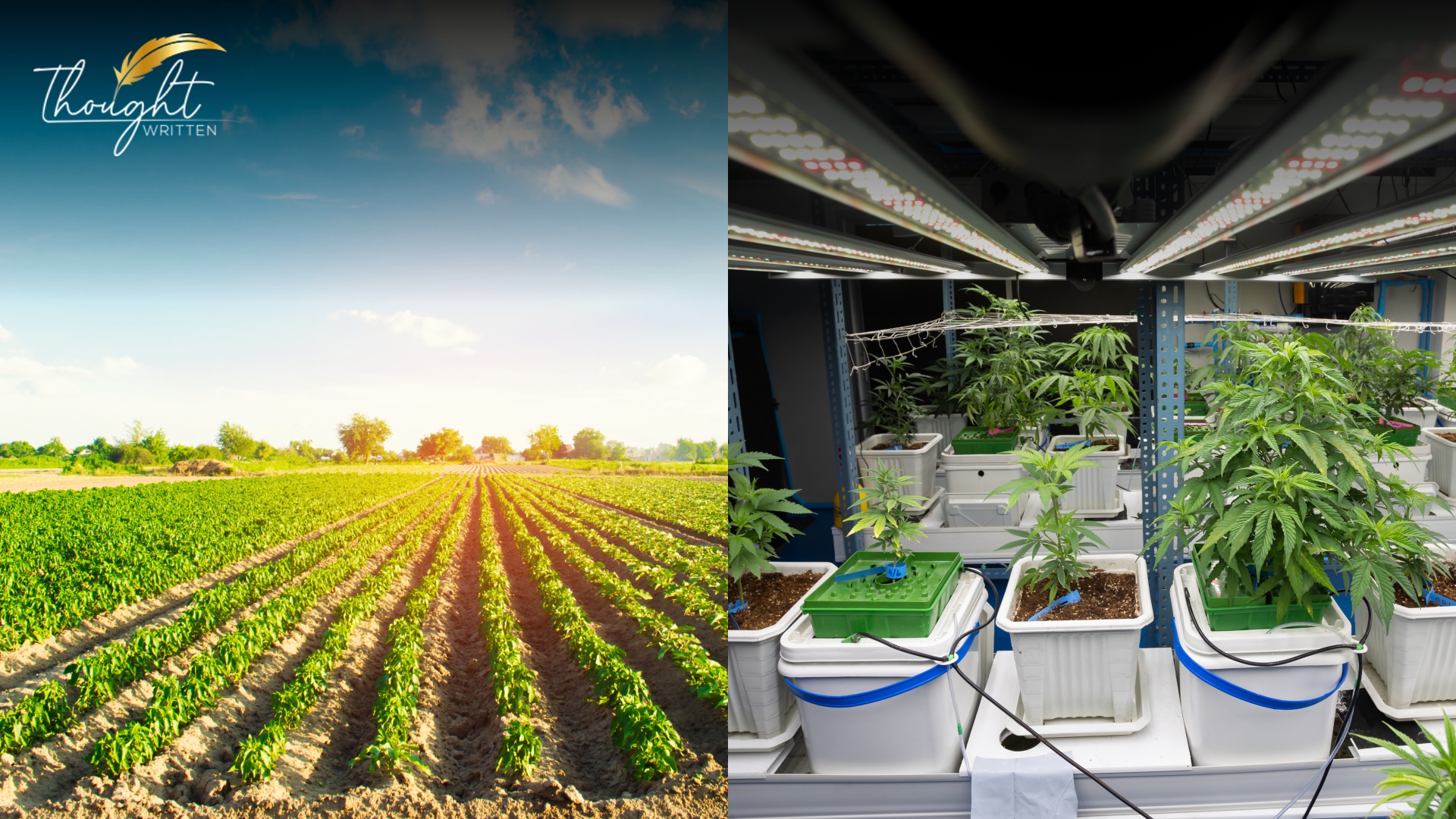
Plant based food starts with crops. And crop technology has evolved massively. Vertical farming. Hydroponics. Smart irrigation. Soil data sensors. Climate resistant crop research. All of this helps grow plants more efficiently and with less environmental damage. In some cities, vegetables are grown in controlled indoor farms where lighting, nutrients, and humidity are managed carefully. This reduces pesticides and improves yield. Technology is slowly turning farming into a more predictable science rather than pure chance. And since plant based foods depend heavily on crops, better agriculture means better ingredients.
Fermentation is quietly becoming a star
You may have seen more plant based yogurts, cheeses, and dairy alternatives recently. Many of them rely on fermentation technology. This is an old process being used in a modern way. Microbes help create flavour, tang, richness, and structure in plant based dairy. Some companies even use fermentation to produce dairy identical proteins without animals. It still feels new to many people. But it shows how blurred the boundary between traditional and plant based has become.
Plant based eating is no longer “all or nothing”
One interesting shift in 2026 is mindset. Earlier, plant based diets were often linked to strict identity labels like vegan or vegetarian. Now, a lot of people simply call themselves “flexitarian.” They eat plant based food sometimes. Meat or dairy sometimes. No pressure. No rules. Tech has helped normalise that flexibility. Food platforms recommend plant forward meals. Delivery apps highlight plant based options. Grocery stores label clearly. And this makes it easier to choose plant based without completely changing your life. That softer approach has actually increased adoption far more than strict messaging ever did. But it’s not perfect yet. Even with all this innovation, plant based food faces challenges.
Some products are still expensive because technology and research cost money. Others contain additives that make health conscious consumers pause. There is also debate about how processed some plant based alternatives are, compared to whole foods like lentils, beans, fruits, and vegetables. And while tech improves sustainability, large scale production also requires energy and infrastructure.
So the conversation today is not only “is plant based better?” but rather: “How do we make plant based food affordable, accessible, nutritious, and genuinely sustainable?” Those are ongoing questions.
Consumer trust matters more than ever
As plant based food becomes more scientific, consumers want transparency. They want to know:
• what ingredients are used
• how products are made
• whether nutrition claims are fair
• whether marketing is honest
Trust is built slowly. And companies that communicate openly are usually the ones people stick with.Because food is emotional. It is memory, comfort, culture, routine. People do not want to feel tricked or lectured. They want to feel included.
Restaurants and home kitchens are evolving too
Restaurants now experiment with plant based menus not as “special diet food” but as standard options. You can find plant based curries, pizzas, kebabs, desserts, sushi, and bakery items. Home cooks are exploring too. Air fryers, smart cooktops, recipe apps, and AI powered kitchen assistants help people try new plant based dishes without feeling overwhelmed. Cooking plant based is no longer about restriction. It has slowly become about creativity.
So what does the future look like?
Plant based innovation in 2026 is not about replacing every animal product overnight. It is about offering meaningful choices. Choices that respect health, environment, and personal preference. Technology is just the tool that makes this evolution faster.
We may see:
• more blended protein foods
• cleaner ingredient labels
• better tasting dairy alternatives
• plant based seafood innovation
• more local sourcing
• smarter farming
• and deeper cultural integration of plant based dishes
The journey is still unfolding.
Final thought
Plant based food today is very different from what it once was. It is not only about salads and smoothies. It is about science, creativity, ethics, taste, and innovation coming together.And while technology plays a huge role, the heart of the movement is still very human. People want to eat in a way that feels better. For themselves. For the planet. Or sometimes just because they like trying something new. So whether someone chooses plant based food daily or only sometimes, one thing is clear.
Technology is reshaping what appears on our plates. And slowly, it is reshaping how we think about food itself.