
Some memories live in the aroma of dishes from our regions that have stolen our hearts. It lives in the crackle of mustard seeds in hot oil, in the sweetness of jaggery melting into warm milk and in the smell of freshly ground spices. Close your eyes for a moment and you will feel the …
Are we losing Traditional recipes?
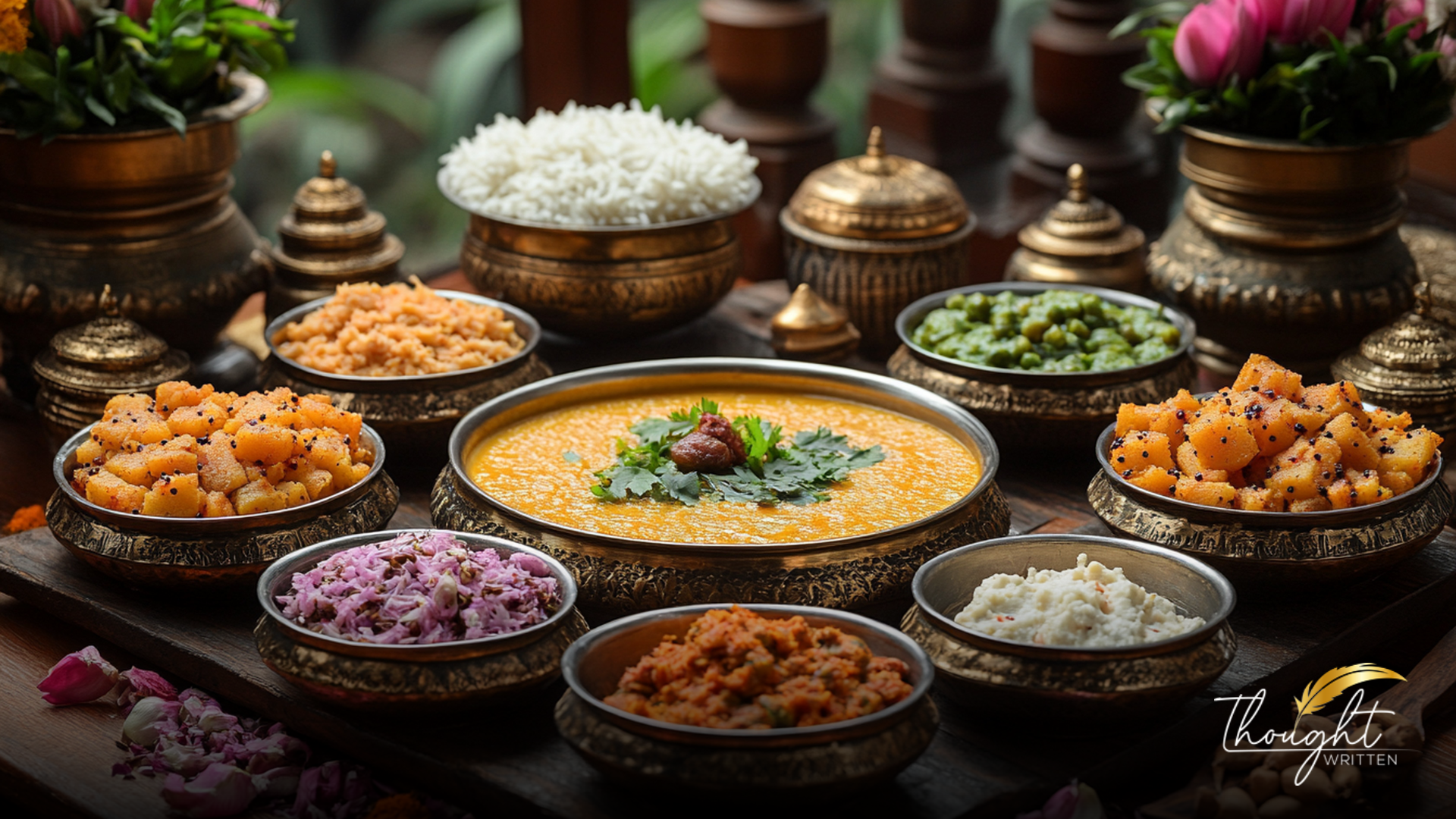
Some memories live in the aroma of dishes from our regions that have stolen our hearts. It lives in the crackle of mustard seeds in hot oil, in the sweetness of jaggery melting into warm milk and in the smell of freshly ground spices. Close your eyes for a moment and you will feel the ghost of that smell, the kitchen you grew up in, the sound of steel utensils and the familiar voice calling your name just before food was served.
Traditional recipes are sensory archives. A single bite can take you years back, one spoon of dal can return you to a dining table where everyone still lived under the same roof, one festival sweet can remind you of laughter before adulthood became complicated, and one pickle can bring back a grandmother’s memory.
This is why the question feels heavy: Are we losing traditional recipes?
Because if we lose them, something else also fades with them.
There is no denying that daily cooking habits have shifted. Many of us rely on quicker meals as workdays are longer, families are smaller and that needs the kitchens to be functional. The slow grinding of spices on stone slabs has been replaced by mixers and ready-made masalas. Yet, traditional cooking was never just about outcome, it was about process. The slow roasting of spices, the soaking of lentils overnight and the stirring of milk until it thickened just right were all the instances where time was not wasted but it was the ingredient. Yet, when we replace these processes with shortcuts, we may still retain the taste but sometimes we dilute the ritual. And rituals are where memories are built. Think about how children learned recipes before written cookbooks were common. They stood beside elders and watched hands move confidently. They asked questions and absorbed techniques that were rarely measured but always felt.
“How much turmeric?”
“Enough for color.”
“How long to knead?”
“Until it feels soft like this.”
This was knowledge and wisdom passed through touch, sight, and smell. It created bonds that were deeper than instructions on a page. But that is only one side of the story. Look closer, and you will notice something interesting happening.
Across India and globally, restaurants are rediscovering regional recipes and placing them on their menus proudly. Fine-dining spaces are now serving Kerala’s fermented appams with its curries, kitchens inspired by Rajasthani cuisine build menu around ker sangri and bajra rotis and bengali mustard fish is plated like art. Even simple khichdi, a comfort food for the sick, is served with ghee and seasonal vegetables. Traditional food is not disappearing, it is repositioned.
Geography still shapes what we eat for example in coastal regions, coconut, tamarind, and seafood are a part of everyday meals. In the North, wheat-based breads and dairy-rich gravies are essentials whereas the Northeast food is all about fermented bamboo shoots and smoked meats. In Gujarat, sweetness balances spice and in Maharashtra, peanuts and kokum are evident in each flavour. Each region’s recipes were born from climate, soil, and survival and that’s why what was cooked in summer was different from winter and what was eaten during festivals differed from everyday meals. Mango pickles meant summer, sesame sweets meant winter and special breads meant celebration.
Today, global supermarkets make everything available year-round. We are less bound by seasons and places. While this brings variety and access, it also softens the link between food and time. When food no longer signals a season, something subtle shifts in how we experience the year.
Traditional recipes carry warmth of the people who preserved them. Their kitchens and their recipes were acts of devotion. So when a mother wakes early to prepare for her child’s exam, that meal is layered with hope. When a grandmother makes sweets during a festival despite aching knees, that act becomes love. Those emotions do not show up in ingredient lists but they stay in memory. And what we fear losing is not just the food but the intimacy related to it.
Yet, there is another truth that traditional recipes adapt, they travel and evolve. A daughter living in a different city learns to recreate her mother’s curry with locally available vegetables, a son calls home to make a festive dish for the first time and a recipe which was once cooked on a clay stove is now made on induction, but still all of these carry the same story. The medium changes but the meaning remains.
The real danger is not modernization. The real danger is indifference. If no one asks for the recipe or if no one attempts it even imperfectly, or if no one sits in the kitchen to observe, then the thread weakens. But the thread can always be tied again. Maybe we don’t have hours every day to cook traditionally. Maybe we cannot replicate everything exactly as it once was but we can choose small acts of preservation.
Cook one ancestral recipe during festivals.
Record elders explaining their methods.
Write down measurements that were once instinctive.
Invite children to watch even if they are distracted at first.
Memory and warmth strengthens through sharing. In a world that celebrates hustle, cooking slowly becomes pain taking. That might mean that we are not losing traditional recipes entirely but they are waiting in old notebooks, in phone calls placed at home and in the confidence of elders who remember everything without ever writing it down. And when you take that step, the recipe lives again.