
Your cellphone vibrates and causes you to pull your shoulders up to your ears or clench your jaw without your awareness. This is your nervous system stuck in the "on" position. The invention of neurowellness is the new concept which appears everywhere from wellness newsfeeds to podcasts and product launches. However, if you get rid …
Neurowellness: The Nervous-System Reset Everyone’s Talking About
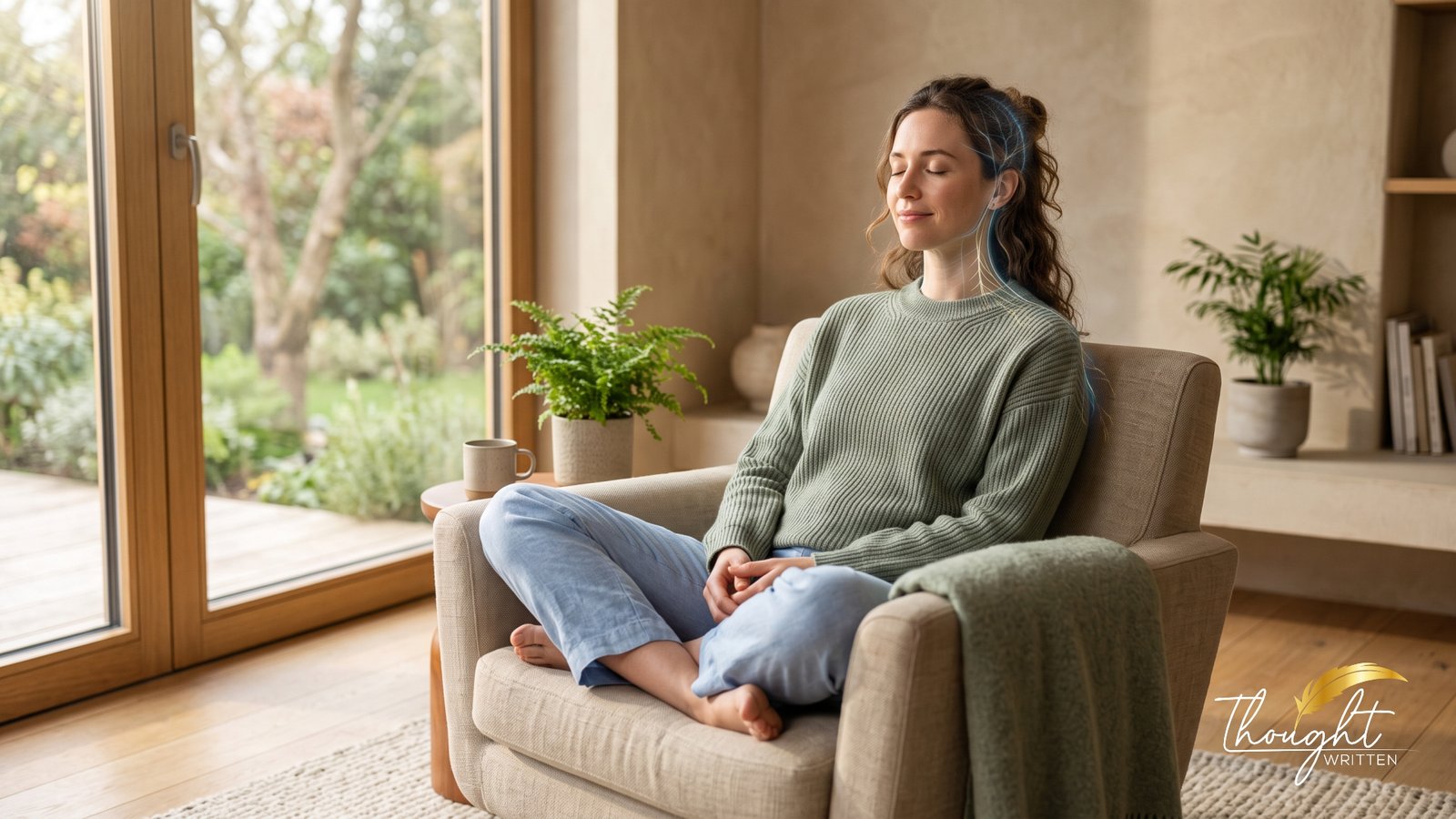
Your cellphone vibrates and causes you to pull your shoulders up to your ears or clench your jaw without your awareness. This is your nervous system stuck in the “on” position. The invention of neurowellness is the new concept which appears everywhere from wellness newsfeeds to podcasts and product launches.
However, if you get rid of all elaborate and pretentious things, you will see that it is just about the necessity of self-calming the nervous system involving different innovative gadgets and methods. The idea of neurowellness is gaining popularity in the modern society that tends to keep the nervous system always at work around the clock.
Let’s see what neurowellness actually deals with, what the reasons for its fame are, and how you may try it out without having to buy anything expensive.
What Is Neurowellness?
Neurowellness is the practice of consciously regulating the functioning of your nervous system, which controls your stress response, digestion, sleep, and mood. Under stress, your sympathetic nervous system (responsible for fight-or-flight) becomes activated, while your parasympathetic nervous system (responsible for rest-and-digest) becomes active when you’re calm.
Most of us are unconsciously stuck in fight-or-flight mode, without being aware of this fact. The main goal of neurowellness is to help us bring the two systems back to equilibrium by employing various tools that either provide us with information about the current state of the nervous system or help us become relaxed.
Why Everyone’s Suddenly Talking About This
neurowellness nervous system regulation trends 2026 did not originate in a vacuum. Several cultural and scientific changes have occurred concurrently, paving the way for this field to gain popularity. A few significant changes have contributed to the emergence of neurowellness:
- The normalization of burnout: Constant notifications, a busy schedule, and perpetually working resulted in the creation of a chronically tense and exhausted population.
- Wearable technology has developed: Devices that previously measured the number of steps taken now can measure one’s heart rate variability, sleep cycles, and levels of stress in real time.
- Scientific advances took place: Research on the vagus nerve – the primary channel between the brain and the body – has demonstrated that simple physical activities can actually influence one’s stress levels.
- The public got tired of hearing “just relax”: Neurowellness provides concrete solutions through connected actions that can be measured rather than vague advice.
- 2026 wellness trends neurowellness: The very same mechanisms causing viral marketing of successful products are in place in the case of neurowellness gadgets and techniques.
Considering these factors, neurowellness has become an undeniable phenomenon.
The Neurotech Side: Gadgets That Help You “Hack” Calm
Consumer neurotechnology has come a long way from mere fitness trackers. Some of the most interesting developments in this field include:
- HRV (Heart Rate Variability) and stress monitors (like Whoop, Oura, or Apple Watch) which tell you what level of stress your body is at even before you realize it yourself.
- Wearables that allow vagus nerve stimulation via a gentle vibration (on the chest or the wrist) to indicate to the nervous system that everything is safe.
- Neurofeedback headsets that monitor brain wave activity and teach the brain to be calmer using audio or visual feedback.
- Light and sound devices designed to induce relaxed or concentrated states in the brain using rhythm.
In brief, the idea is quite simple: these gadgets can make something invisible (the participants’ stress response) visible and tangible, something that can be monitored and improved. The trend is becoming increasingly popular even among the professional wearables market, as we can see with Google’s latest Fitbit Air, which was created specifically for the purpose of making the process of monitoring stress levels more accessible and affordable.
The Somatic Side: Old Wisdom, New Popularity
Not everything associated with neurowellness requires a battery. Besides this, there are also neurowellness nervous system regulation trends 2026 like techniques that utilize the body instead of the mind and they are equally important in the neurowellness movement. Breathing exercises specifically focusing on long exhaling are known for their ability to calm the vagus nerve. Cold therapies such as getting cold showers or dunking one’s face into ice water help to quickly reset the nervous system.
Another example is grounding or earthing – standing barefoot on the ground, which helps to clear the mind of racing thoughts. Somatic shaking and stretching allow one to relax and release physical stress. Humming and chanting vibrate the vagus nerve via the throat and chest. Therefore, it is possible to see that many practices have their origins in yoga, martial arts, and other therapies.
Building Your Own Nervous-System Reset Routine
There is no need for a lot of equipment to begin with this approach. Here are the steps:
- Just start with awareness. Learn to identify when you’re feeling stress using your smartwatch or a simple body-scan check-in.
- Choose one technique. Perhaps start with simple breathing, perhaps inhaling for 4 and exhaling for 8 counts.
- You can add some technology if you feel it helps you. A tracker is great as a motivational tool, but it shouldn’t replace the practice as one itself.
- Stick to this technique on a daily basis. Regulation of the nervous system is a muscle that needs exercise, not just emergency use.
Having a regulated nervous system also gives you better focus and improves performance when studying in the era of AI.
The Bottom Line
Neurowellness isn’t about buying your way to tranquility. It’s about realizing that your nervous system reacts to concrete, and tangible signals. Ancient techniques and modern technologies can send the message to your body that it is relaxed and safe.
Whether you begin with a deep breath or a critical piece of technology, the principle is the same as training your body to come back to normal once more. The idea of 2026 wellness trends neurowellness is part of a bigger transformation we see across different sectors, that of our world becoming more digitized.
FAQs
Is neurowellness backed by science?
Partially yes. Vagus nerve stimulation, breathwork and heart rate variability are all scientifically tested but may also have different outcomes from person to person depending on the methods employed.
Do I need expensive devices to try neurowellness?
No. Somatic practices rely on some free methods or techniques and technology plays a role mostly for results tracking.
How long does it take to feel a difference?
There are some methods that can produce effects almost instantly, however the benefits of neurowellness may be observed after more extensive practice for longer periods of time.
Is neurowellness the same as meditation?
Not well, the latter is simply one of the methods used in neurowellness techniques, while the latter consist of a whole variety of other activities.